Finest vegetation for window bins units the stage for this enthralling narrative, providing readers a glimpse right into a world that’s wealthy intimately and brimming with originality from the outset.
The artwork of crafting visually interesting window bins lies not solely within the collection of the best flowers and vegetation but additionally within the delicate interaction of parts that mix to create a harmonious and fascinating show.
Plant Species Appropriate for Window Containers: Finest Crops For Window Containers
For householders who wish to add a contact of greenery to their exterior areas, window bins provide an ideal resolution. These planters are perfect for adorning balconies, patios, and porches, offering a vibrant and visually interesting show of colourful flowers and plush foliage.
Traits of Widespread Crops for Window Containers
When selecting vegetation for window bins, it’s important to think about components akin to daylight, temperature, and humidity. Totally different plant species have distinctive traits that make them appropriate for particular window field preparations. Listed here are some widespread vegetation that thrive in window bins:
These vegetation are recognized for his or her capacity to bloom in quite a lot of colours and textures, making them supreme for making a visually interesting show.
- Petunias: These flowers are a preferred alternative for window bins because of their vibrant colours and talent to thrive in partial shade. They arrive in a variety of types, together with dwarf and tall petunias, and are comparatively low-maintenance.
- Geraniums: With their putting foliage and vibrant flowers, geraniums are a preferred alternative for window bins. They like well-draining soil and full solar to partial shade, making them supreme for southern-facing window bins.
- Begonias: Begonias are excellent for shady window bins, as they like partial shade to full shade. They’re comparatively low-maintenance and are available in a variety of types, together with rhizomatous, fibrous, and cane begonias.
Development Habits and Necessities of Totally different Plant Species
Understanding the expansion habits and necessities of various plant species is essential for making a profitable window field association. Listed here are some key components to think about:
| Plant Species | Daylight Necessities | Soil Necessities | Water Necessities |
|---|---|---|---|
| Petunias | Partial shade | Effectively-draining | Medium to excessive |
| Geraniums | Full solar to partial shade | Effectively-draining | Medium |
| Begonias | Partial shade to full shade | Moist however not waterlogged | Low to medium |
Making a Blended Window Field Association
To create a visually interesting show, it is important to think about plant coloration, texture, and progress habits when designing your window field association. Listed here are some ideas to bear in mind:
- Select a mixture of flowering vegetation and foliage vegetation to create a dynamic show.
- Choose vegetation with totally different progress habits, akin to spreading, upright, and trailing, to create a visually interesting association.
- Think about the colour palette of your house and select vegetation that complement its coloration scheme.
- Do not forget so as to add some greenery to your window field association so as to add texture and depth.
Designing Aesthetic Window Containers
In relation to designing visually interesting window bins, each element counts. From choosing complementary plant colours and types to selecting foliage textures that mix seamlessly collectively, making a cohesive look is essential. On this part, we’ll delve into the artwork of designing a gorgeous and harmonious window field that provides attraction to your exterior house.
Choosing Complementary Plant Colours
Choosing the proper colours on your window field vegetation is essential in making a visually interesting association. By choosing vegetation with complementary colours, you possibly can create a surprising and harmonious show. For instance, pairing daring purple geraniums with gentle pink impatiens creates a gorgeous distinction that grabs consideration. Equally, combining vivid blue delphiniums with chartreuse-colored coleus creates a surprising visible influence.
Selecting Crops with Related Foliage Textures
Along with choosing complementary colours, selecting vegetation with comparable foliage textures can create a cohesive look in your window field. By grouping vegetation with comparable leaf sizes and styles collectively, you possibly can create a visually interesting association that pulls the attention. For example, pairing a fragile fern with a couple of succulent vegetation with comparable leaf shapes creates a gorgeous and harmonious show.
Sustaining a Balanced Association
Making a balanced window field association is essential in reaching a visually interesting show. By distributing vegetation of various heights, spreading, and density, you possibly can create a harmonious composition that pulls the attention. For instance, putting a tall, upright plant like a sunflower within the middle of the window field and flanking it with smaller, spreading vegetation like impatiens creates a balanced and visually interesting association.
Grouping Crops in Odd Numbers, Finest vegetation for window bins
When grouping vegetation in your window field, it is typically extra visually interesting to group them in odd numbers reasonably than even numbers. This creates a pure, natural look that pulls the attention. For example, grouping three vegetation of various heights and shapes creates a visually interesting show that grabs consideration.
Soil and Fertilization Necessities
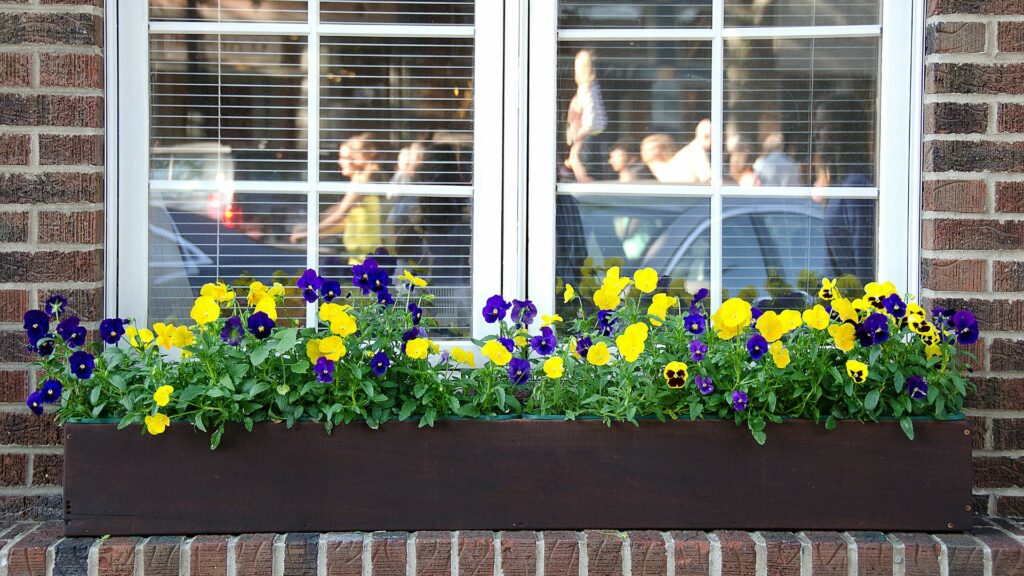
In relation to rising vegetation in window bins, the standard of the soil performs a vital function of their progress and growth. A well-draining soil combine is crucial to forestall waterlogged soil, which may result in root rot and different issues. As well as, fertilization is important to offer vegetation with the mandatory vitamins to thrive.
The Significance of Effectively-Draining Soil Combine
A well-draining soil combine is essential for window field vegetation because it prevents waterlogging and root rot. A combination with a excessive sand content material will assist to empty extra water shortly, whereas a mixture with a excessive peat content material will assist to retain moisture. A balanced combine of fifty% potting soil, 20% perlite, and 30% vermiculite is an efficient start line.
When choosing a soil combine on your window field, search for the next traits:
- Excessive sand content material (50-60%) for good drainage
- Excessive peat content material (20-30%) for moisture retention
- Perlite or vermiculite for aeration and water retention
Choosing and Making use of Fertilizers
Fertilizers are important for offering vegetation with the mandatory vitamins to develop and thrive. When choosing a fertilizer on your window field, think about the kind of vegetation you might be rising and their particular nutrient necessities. A balanced fertilizer with a ratio of 20-20-20 (nitrogen-phosphorus-potassium) is an efficient start line.
Listed here are some ideas for making use of fertilizers to your window field:
- Fertilize your vegetation as soon as a month, ranging from spring till fall
- Use a balanced fertilizer with a ratio of 20-20-20
- Apply fertilizer within the morning, so the vegetation have your entire day to soak up it
- Keep away from over-fertilizing, as this will injury plant roots and trigger extra hurt than good
Widespread Fertilizer Varieties
There are a number of varieties of fertilizers obtainable, every with its personal set of advantages and limitations. Listed here are some frequent varieties of fertilizers used for window field vegetation:
Listed here are some frequent fertilizer varieties:
| Sort | Advantages | Limitations |
|---|---|---|
| Natural fertilizer | Sluggish launch, environmentally pleasant | Costly, might not present fast outcomes |
| Artificial fertilizer | Sooner launch, extra reasonably priced | Will not be environmentally pleasant, can injury plant roots |
| Compost fertilizer | Pure, sluggish launch, improves soil construction | Costly, might not be obtainable in all areas |
Seasonal Rotations and Upkeep

Sustaining a vibrant show in your window bins is essential for his or her general well being and aesthetic attraction. To attain this, seasonal rotations are important. They make sure that your vegetation obtain the proper circumstances and vitamins on the proper time, selling optimum progress and stopping pests and ailments.
Seasonal Rotations
Rotating your vegetation seasonally includes swapping out outdated vegetation for brand spanking new ones, usually each 4-6 weeks. This strategy helps preserve a various and wholesome show. For instance, in spring, concentrate on vegetation that thrive in cooler temperatures and better humidity, akin to pansies, violas, or petunias. In summer time, transition to heat-tolerant vegetation like succulents, geraniums, or lantana. In autumn, emphasize vegetation that thrive in cooler temperatures and shorter days, like mums, cosmos, or asters. In winter, go for evergreen vegetation or these that may tolerate frost, like boxwood, holly, or winter-flowering heathers.
- Spring (March to Could): Swap out winter vegetation for those who thrive in cooler temperatures and better humidity.
- Summer season (June to August): Give attention to heat-tolerant vegetation and flowers.
- Autumn (September to November): Transition to vegetation that thrive in cooler temperatures and shorter days.
- Winter (December to February): Spotlight evergreen vegetation or these that may tolerate frost.
Pruning and Upkeep
Pruning and sustaining your vegetation frequently is important for optimum progress and stopping pests and ailments. Listed here are some ideas:
- Pinch off useless or dying flowers to advertise new progress and forestall seed formation.
- Trim again leggy stems to take care of a fuller form and encourage extra blooms.
- Take away any diseased or infested vegetation to forestall the unfold of pests and ailments.
Pest and Illness Management
Common inspections and upkeep can stop pests and ailments from taking maintain. Listed here are some ideas that will help you maintain your window bins wholesome:
- Examine your vegetation frequently for indicators of pests or ailments, akin to aphids, whiteflies, or powdery mildew.
- Isolate infested or diseased vegetation to forestall the unfold of pests and ailments.
- Use natural or chemical pesticides and fungicides as wanted to regulate pests and ailments.
Soil and Fertilization
Common soil upkeep and fertilization can promote wholesome plant progress and vibrant shows. Listed here are some ideas:
- Verify the pH stage of your soil and alter as wanted to make sure optimum plant progress.
- Fertilize your vegetation frequently with a balanced fertilizer to advertise wholesome progress and blooming.
Making a 12 months-Spherical Show
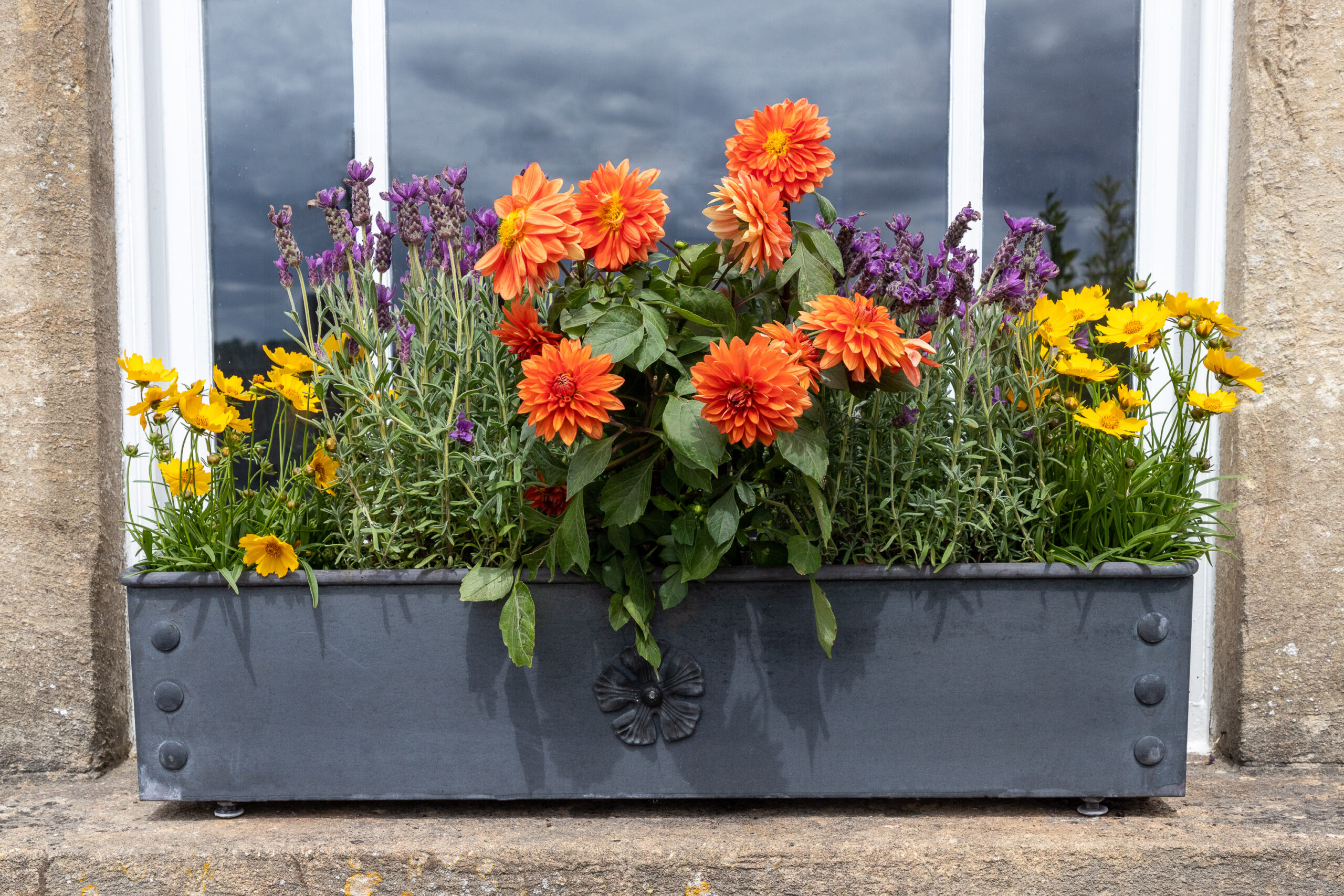
To create a visually interesting window field that thrives all year long, it is important to think about vegetation with various progress habits and bloom occasions. This strategy will make sure that your window bins stay attention-grabbing and dynamic, even throughout the dormant winter months.
One of many keys to a year-round show is choosing vegetation that present construction and curiosity throughout the winter months. This may be achieved by incorporating vegetation with evergreen foliage, berries, or decorative stems. These vegetation will add texture and visible curiosity to your window bins, even when different vegetation have gone dormant.
Winter Curiosity Crops
Listed here are some examples of vegetation that present construction and curiosity throughout the winter months:
-
Blockquote: “Winter curiosity vegetation may help preserve the visible attraction of your window bins all year long.”
Crops akin to Holly (Ilex spp.), Yew (Taxus baccata), and Boxwood (Buxus sempervirens) are wonderful decisions for offering winter curiosity, as they preserve their foliage year-round and could be pruned to take care of a desired form.
These vegetation could be paired with evergreen ferns, such because the Winter Fern (Osmunda cinnamomea), or conifers just like the Dwarf Alberta Spruce (Picea glauca ‘Conica’) to create a lush and visually interesting winter association.
Along with these evergreen vegetation, think about incorporating vegetation with berries, akin to Pyracantha (Pyracantha coccinea) or Mahonia (Mahonia aquifolium), so as to add pops of coloration and texture to your window bins.
Spring and Summer season Plant Choice
Because the seasons change, it is important to pick out vegetation that thrive in hotter temperatures and might benefit from the elevated daylight. Think about including vegetation with vivid, showy flowers, akin to Petunias (Petunia spp.), Geraniums (Pelargonium spp.), or Marigolds (Tagetes spp.), to create a vibrant and colourful show throughout the spring and summer time months.
-
So as to add some top and vertical curiosity to your window bins, incorporate vegetation with tall stems, akin to Sunflowers (Helianthus annuus) or Dahlias (Dahlia variabilis).
When choosing vegetation for spring and summer time, think about vegetation with totally different bloom occasions to make sure a continuing show of coloration all through the rising season.
This strategy, sometimes called a “succession planting” technique, will assist preserve the visible attraction of your window bins and guarantee that there’s all the time one thing in bloom.
Autumn and Transition Plant Choice
Because the climate cools and daylight shorten, it is important to pick out vegetation that thrive in cooler temperatures and might tolerate the elevated moisture of the autumn season. Think about including vegetation with vibrant foliage, such because the Autumn Blaze Maple (Acer x freemanii ‘Autumn Blaze’), or these with showy berries, such because the Wintergreen (Gaultheria procumbens).
-
When choosing vegetation for the autumn season, concentrate on these with deep purple or orange foliage, as these will add a pop of coloration to your window bins amidst the autumn foliage.
Crops with engaging seed pods, such because the Celosia argentea or the Decorative Grasses (Miscanthus spp.), will add texture and visible curiosity to your window bins throughout the fall season.
Think about incorporating vegetation with totally different progress habits, such because the compact, shrub-like progress of the Spirea (Spiraea spp.) or the tall, upright progress of the Sunflower (Helianthus annuus), to create a visually interesting association throughout the fall season.
Security and Rules
When selecting vegetation on your window bins, it is important to think about the security and rules associated to the vegetation you decide. This contains avoiding vegetation with invasive roots or these that may trigger allergic reactions, and checking native rules earlier than planting sure species.
Rules and Security Precautions
Earlier than choosing vegetation on your window bins, make sure you’ve checked along with your native authorities for any particular rules or restrictions on sure plant species. That is essential for stopping the unfold of invasive species and minimizing the chance of allergic reactions. Familiarize your self along with your space’s local weather and plant hardiness zones to decide on vegetation that thrive in your surroundings.
- Toxic vegetation could be hazardous to kids, pets, or people with allergic reactions. Make sure you’re conscious of the poisonous plant species and take crucial precautions.
- Some vegetation have invasive roots, which may injury close by buildings or pipes. Verify the plant’s progress habits earlier than finalizing your choice.
- Analysis native rules on genetically modified organisms (GMOs) or different plant species which will have particular restrictions in your space.
Stopping Allergy symptoms and Invasive Species
Sure vegetation can induce allergic reactions, so it is important to be conscious of your personal allergic reactions when choosing window field vegetation. Equally, some vegetation have invasive roots, which may trigger issues in your neighborhood. By selecting vegetation which are well-suited to your local weather and surroundings, you possibly can keep away from potential points.
- Keep away from vegetation with excessive pollen counts, akin to ragweed or oak timber, particularly if in case you have allergic reactions.
- Decide vegetation with compact progress habits or those who have a low unfold, decreasing the chance of invasive roots damaging close by buildings.
Native Rules
Earlier than planting any species in your window bins, you should definitely verify along with your native authorities for particular rules or restrictions. That is essential for stopping the unfold of invasive species and respecting native rules.
- Analysis native rules on plant species which are thought-about invasive in your space.
- Guarantee compliance with any native plant hardiness zone restrictions.
Conclusion
Creating a surprising window field is an artwork that requires a mix of creativity, analysis, and sensible know-how.
With this information, you may be geared up to craft window bins that stand out, including magnificence to your house and delighting your senses.
Questions and Solutions
What are the most typical vegetation for window bins?
Petunias, geraniums, begonias, and ivy are widespread decisions for window bins because of their ease of care and adaptableness to totally different climates.

